Unscreened Topsoil for Sale in Aledo, TX
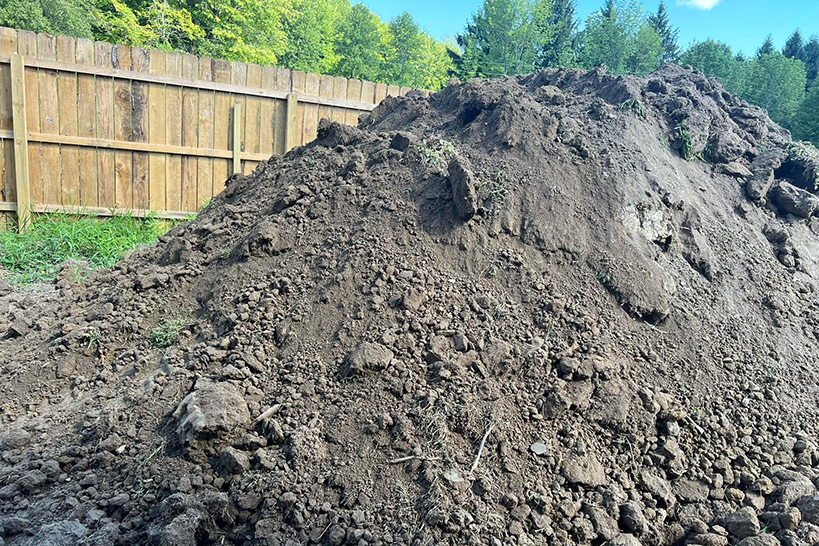
Real topsoil at a lower price point. May have small rocks and roots. The smart choice when you are covering a lot of ground and do not need a perfect finish.
Family Owned Since 2001 | 5-Yard Minimum | Delivery Available
What Is Unscreened Topsoil?
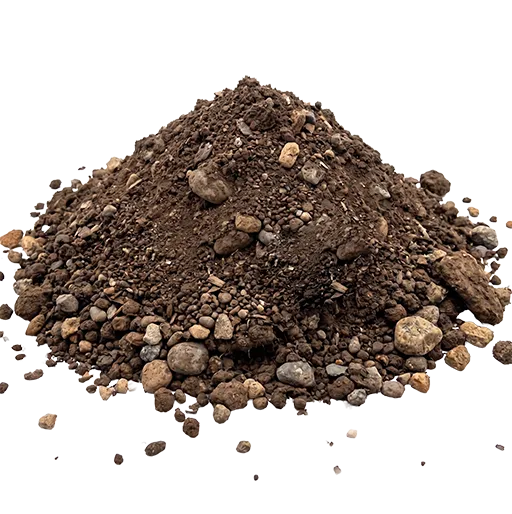
Natural topsoil with organic content that supports plant growth. But unlike our screened product, it has not been processed to remove every small rock, root, or clump.
This is not fill dirt. Common fill is raw native soil that may be mostly clay, subsoil, or construction-grade material with no organic value. Unscreened topsoil is actual topsoil. The upper layer of soil. It just has not been cleaned up the way screened topsoil has.
What Unscreened Topsoil Is Used For
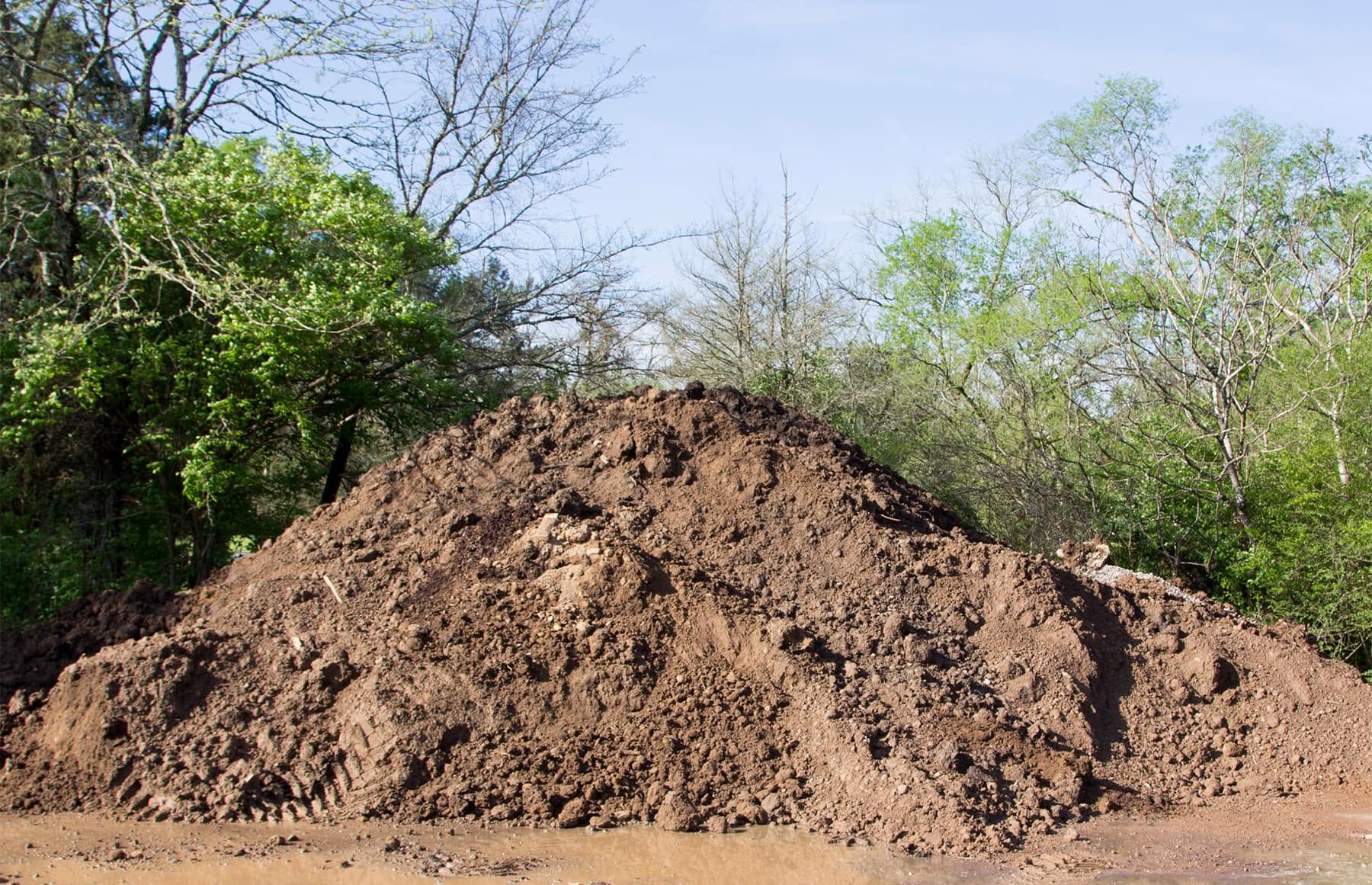
Large-Area Yard Coverage
When you are covering a half-acre lot or more, screened topsoil adds up fast. Unscreened topsoil lets you cover the same area with a lower cost per yard. Homeowners on larger lots in Annetta, and the rural properties along I20 use it for exactly this, big areas where a sod-ready finish is not the goal.
Filling Landscape Areas
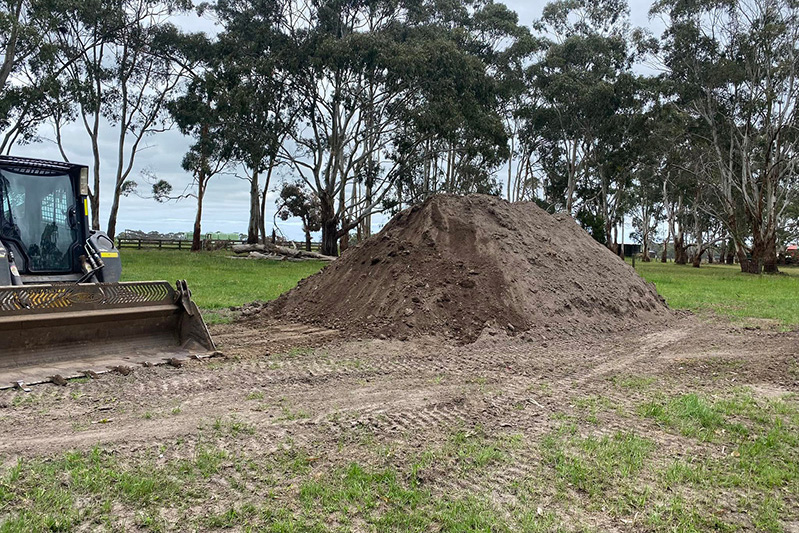
Building a large landscape feature? Unscreened topsoil works as a base or filler layer. You can top it with compost or a thinner layer of screened topsoil if you want a refined growing surface on top. This saves money on projects where you need volume underneath and quality on the surface.
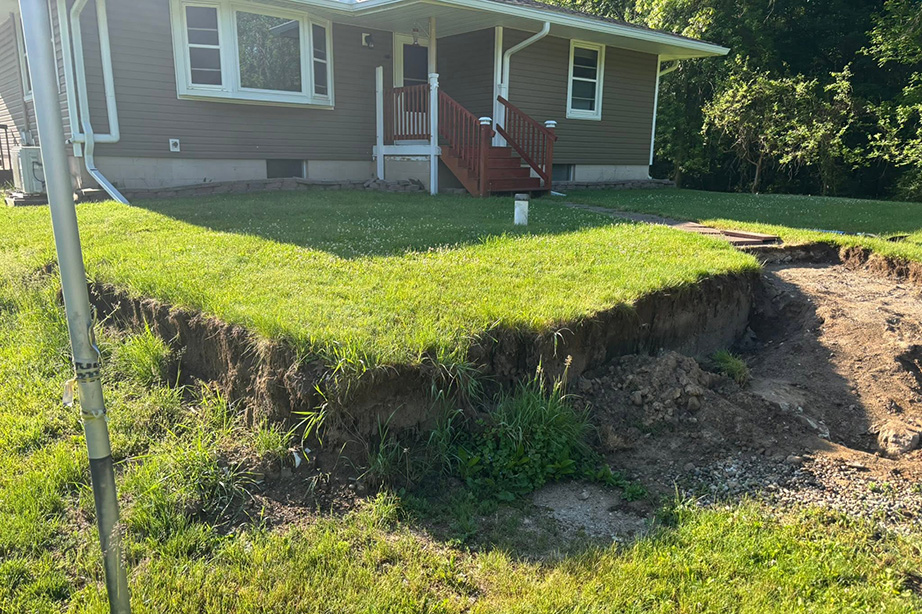
Erosion Repair and Slope Coverage
Slopes and embankments that have eroded down to bare clay or subsoil need topsoil to support new vegetation. Unscreened topsoil works well here because the small rocks and root material actually help it hold on a slope.
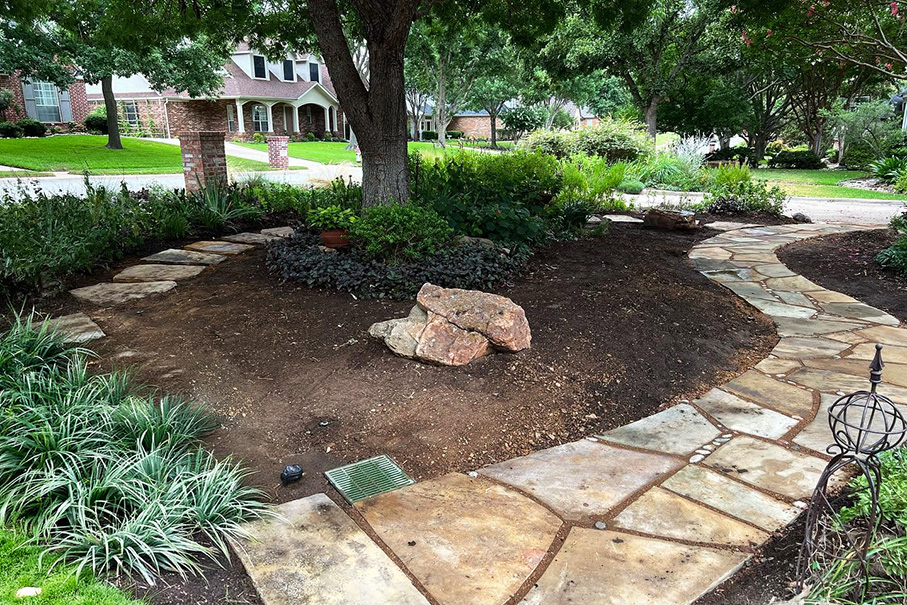
Rough Landscape Areas
Not every part of a property needs a manicured finish. Back yards, side yards, slopes, and open areas that will be seeded with native grass or left to naturalize do fine with unscreened topsoil. It gives plants a real growing medium without the premium cost of screening.
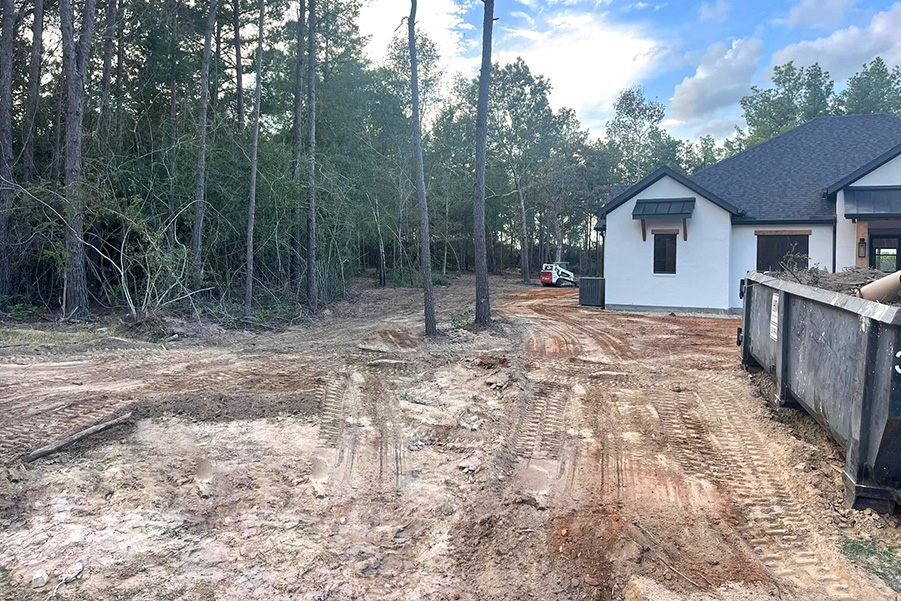
Rural and Ranch Property Yards
Ranch houses, rural homesites, and acreage properties across Parker County often need topsoil for yard establishment after construction. Unscreened topsoil gives you a solid growing layer for seeding Bermuda, buffalograss, or native turf.
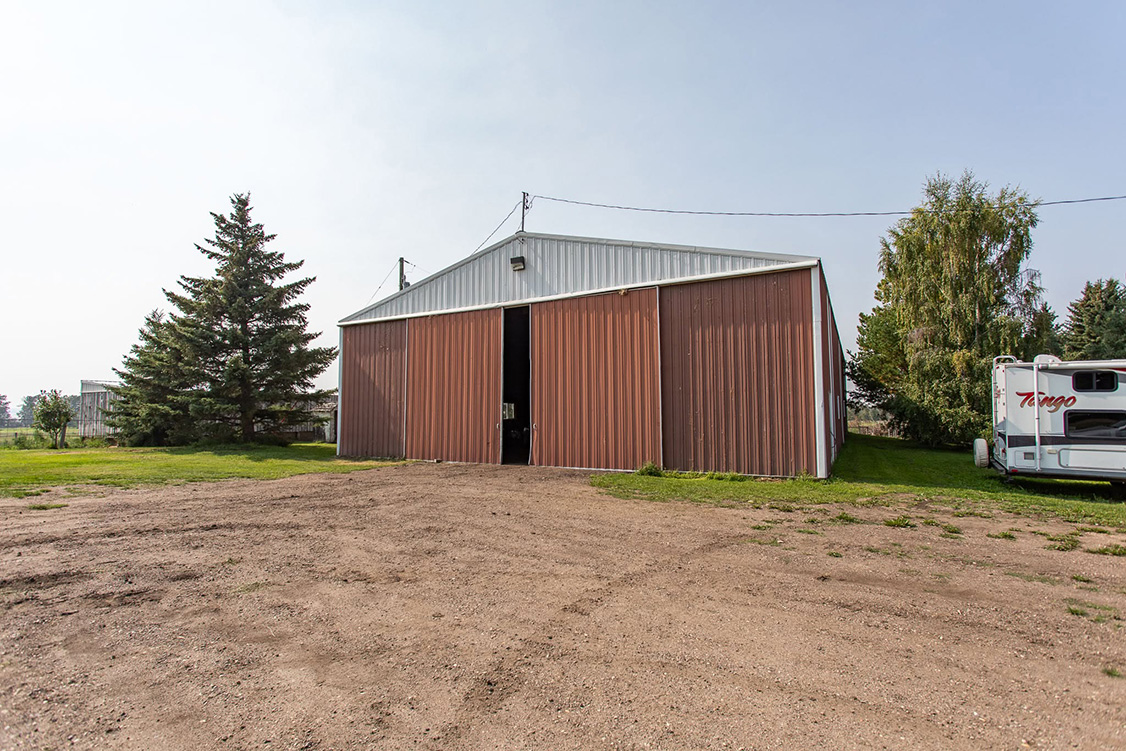
Budget-Friendly Lawn Prep
Not every new build has a sod budget. Some homeowners choose to seed instead of laying sod, and some builders offer a basic yard package that does not require screened topsoil. Unscreened topsoil spread at 2 to 4 inches and seeded gives you a lawn. It just takes a few more weeks to establish.
Unscreened Topsoil vs. Screened Topsoil vs. Common Fill — Which One?
Three different products. Three different price points. Three different jobs. Here is how to pick the right one.
Common Fill
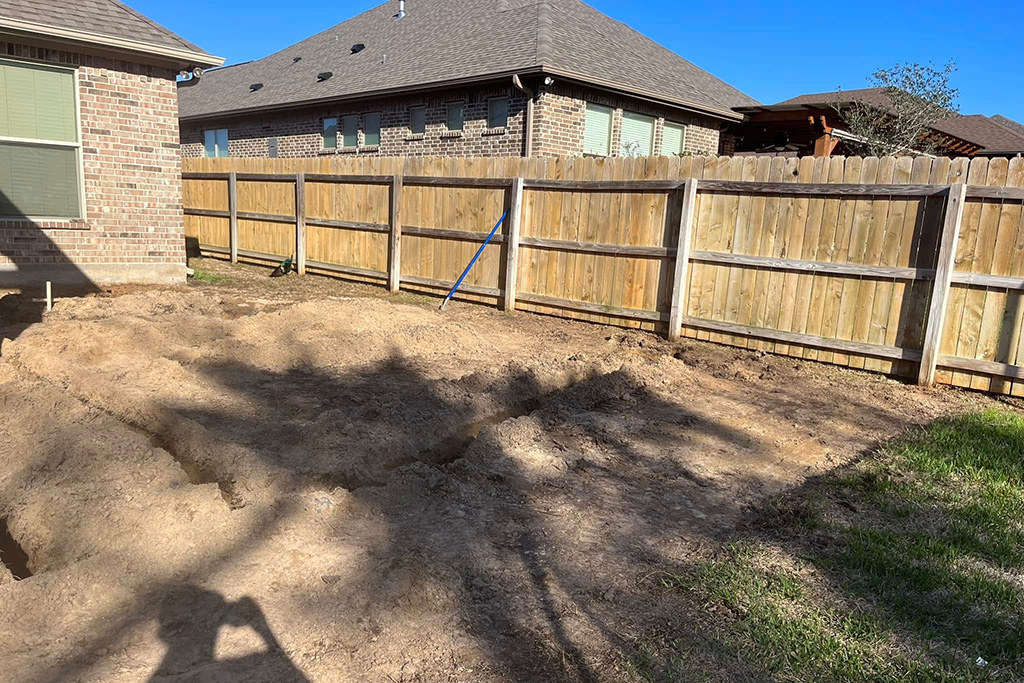
Unscreened native dirt. May be clay, subsoil, or mixed material. No organic value. Cheapest option.
Best for: grading, backfill, filling holes, raising elevation.
Not ideal for: growing grass, or anything that needs to support plant life.
Unscreened Topsoil
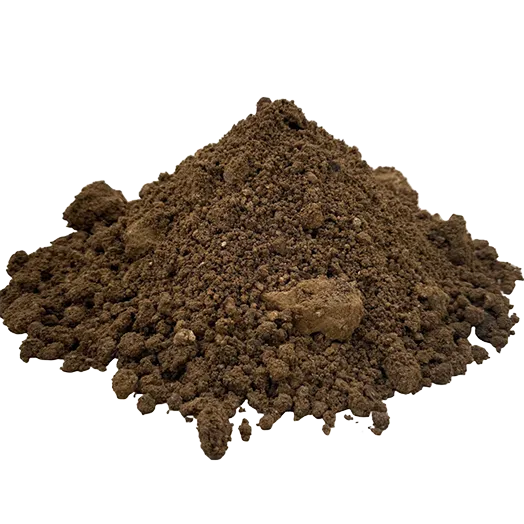
Real topsoil with organic content. Not screened — may have small rocks, roots, and minor clumps. Mid-range price.
Best for: large-area coverage, seeding, rough landscape areas, rural properties, budget lawn prep.
Not ideal for: sod installation, or projects where surface smoothness matters.
Screened Topsoil
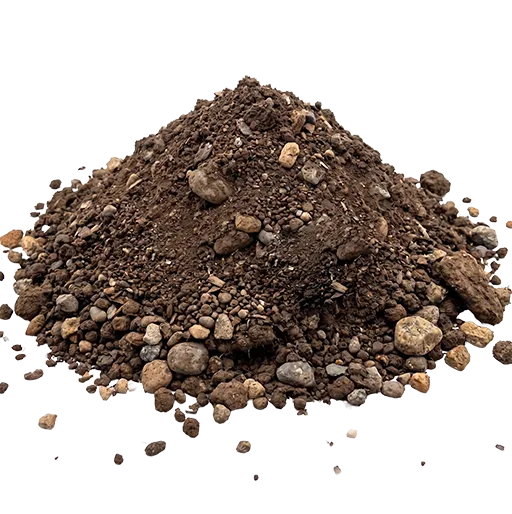
Processed topsoil. Screened to remove rocks, roots, and debris. Clean, consistent, ready for a finished surface. Premium price.
Best for: sod prep, final grading, landscape beds, lawn patching, any surface-level application.
Not ideal for: bulk coverage on large areas where budget matters more than finish quality.
How to Estimate How Much Unscreened Topsoil You Need
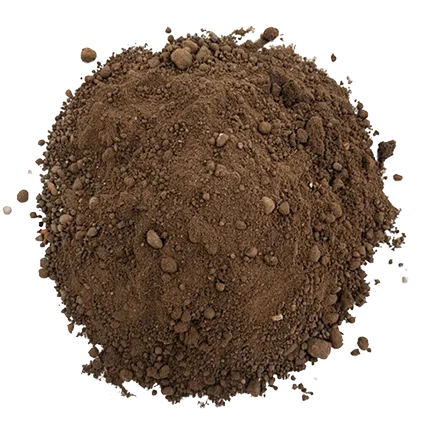
Same math as any topsoil order. Measure the area in feet by muliplying length times width. Decide on the depth. Multiply the area by the depth in feet. Divide by 27 for cubic yards.
For seeding over unscreened topsoil, 2 to 4 inches is standard. For large-area coverage on rural properties, 2 inches is often enough to give seed a growing layer over existing subsoil.
Example: A rural homesite yard that is 100 feet wide and 200 feet deep needs topsoil across 20,000 square feet. At 2 inches deep (about 0.17 feet), that is roughly 3,400 cubic feet — about 126 cubic yards. That is a big order, and the price difference between screened and unscreened topsoil on 126 yards is significant. That is exactly the situation where unscreened makes sense.
Follow us in our social channels


UNDERWOOD MATERIALS LLC
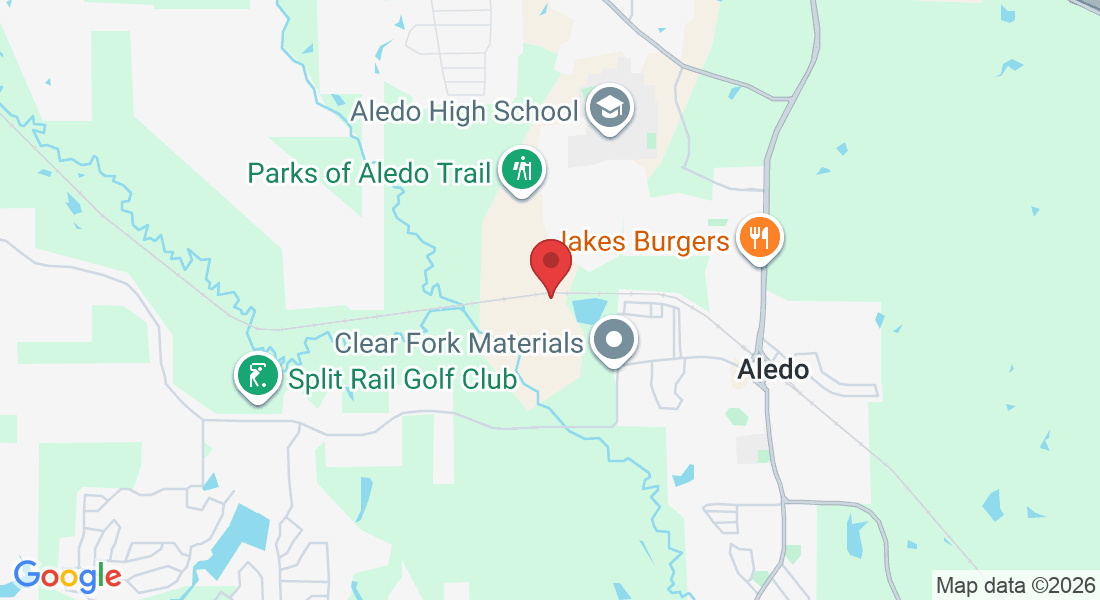
Address: 931 Underwood Rd Aledo, TX 76008
Line Phone: (817) 441-3300
Hours: Mon–Fri 7AM–4:30PM
QUICK LINKS
MATERIALS WE SELL
WE ALSO ACCEPT
Underwood Materials LLC. All rights reserved. Locally owned and operated in Aledo, TX since 2001.